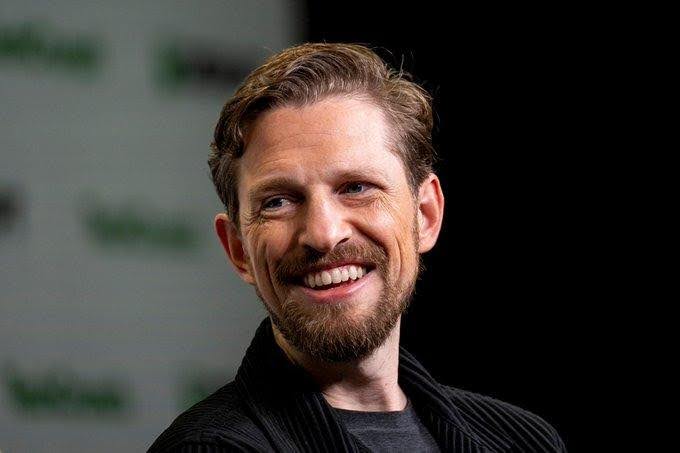
Matt Mullenweg’s leave of absence has WordPress talking. Here’s what people are saying
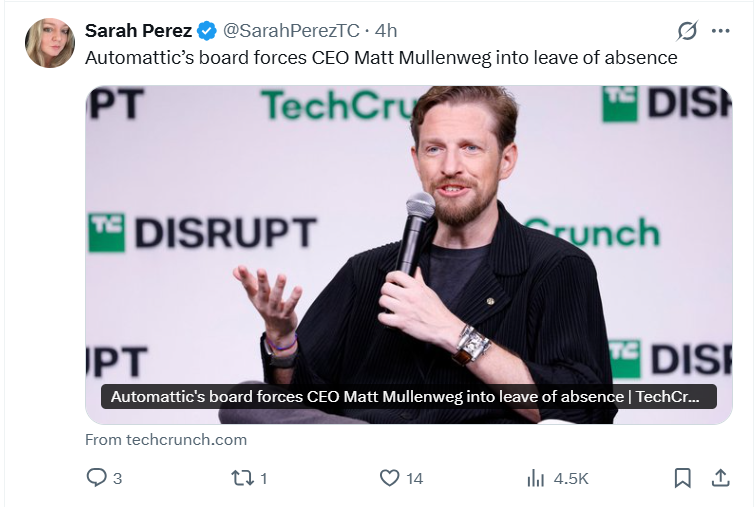
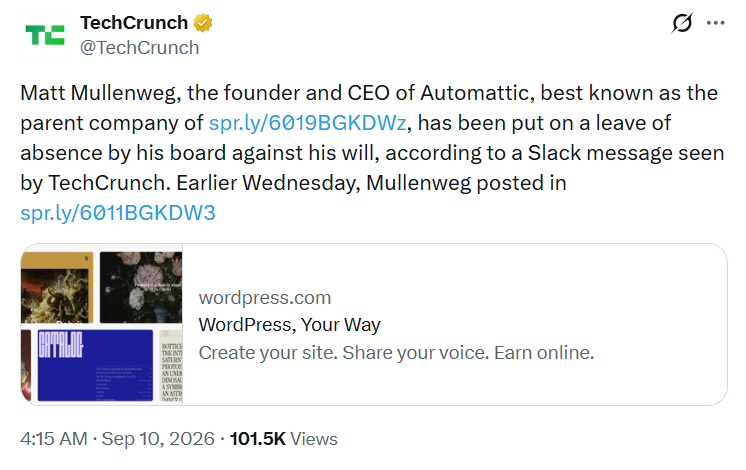
Automattic’s board put founder and CEO Matt Mullenweg on paid leave of absence on September 9, 2026.
CFO Mark Davies is now interim CEO. Mullenweg voted against the move and stayed on the board anyway.
Matt is also ‘accusing’ Davies of conspiring with three board members, Ann Dunwoody, Toni Schneider, and Sue Decker, to force him out of the seat.
WordPress powers around 40% of the web, so a leadership shake-up at the company behind WordPress.com, WooCommerce, and Tumblr was never going to stay quiet. It didn’t.
Within hours, developers, agency owners, and journalists were picking the story apart on X.
Automattic and WordPress.org are separate
This distinction matters for anyone building on WordPress.
Automattic is the commercial company. It owns WordPress.com, WooCommerce, Tumblr, and Pocket Casts. Mullenweg founded it in 2005 after co-creating WordPress.
WordPress.org is the open-source project. It runs under separate leadership. Mullenweg remains Executive Director of the project. The leave does not affect his role there.
Courtney Robertson, a WordPress developer and community contributor, pushed back on media coverage that blurred the line. She pointed out that WordPress.org falls under the WP Foundation, which has two silent board members and Mullenweg.
Matt Mullenweg personally owns the wp.org website, and he has put some words on this X social media handle:
What people are talking about
The first fight was over what this leave of absence actually touches.
Courtney Robertson (@courtneyr_dev) got there first with the clearest point:
Mary Hubbard, WordPress.org’s Executive Director, backed that up directly.
“WordPress leadership and direction remain unchanged,” she posted. “Matt continues to lead our project, and I remain Executive Director.” 39 likes, and it’s the closest thing to an official word on project continuity right now.
Not everyone reacted with caution. Tmeister called it “one of the best pieces of news the WordPress ecosystem has seen in years.”
David Risley wrote, “Matt’s position has grown past his ability to occupy it, IMO.” Duane Storey said it felt like it was “about time” given the last year and a bit.
Others pushed the other direction.
Arnie Palmer asked people to remember Mullenweg built something millions use for free, and that Slack groups and reply threads had turned cruel.
Dipak Gajjar (@dipakcgajjar), a WordPress performance and WooCommerce specialist, called it “a major moment for the WordPress ecosystem” that raises real questions about what comes next for both companies.
Jason Koebler at 404 Media broke the internal Slack message where Mullenweg used the word “conspired.” TechCrunch and The Verge followed with their own reporting.
Search Engine Journal ran with “WordPress Co-Founder Matt Mullenweg Ousted.”
What impact Matt’s leave could have on WordPress
Split the two entities apart and the picture gets clearer.
Automattic
Automattic, the company, faces a leadership fight during interim CEO Mark Davies’ first stretch in the job. BlackRock’s own filings already marked Automattic’s valuation well below its 2021 peak, so a public boardroom dispute lands on top of that, not next to it.
Automattic also carries the ongoing WP Engine lawsuit from Mullenweg’s 2024 campaign against the host, a legal fight that hasn’t resolved and won’t wait for a new CEO to settle in.
WordPress.org
WordPress.org, the open-source project, runs on separate rails. Mary Hubbard’s statement and courtneyr_dev’s ownership breakdown both point the same way. Automattic’s board has no vote over WordPress core.
Plugin repositories, theme reviews, and core development keep moving under existing project leadership.
The catch is Mullenweg himself.
Matt still personally owns the .org domain and its infrastructure, independent of any Automattic org chart.
@BlakeWhittle7 flagged this directly: that setup was unusual before the leave of absence, and it’s still unusual now. One person holding personal control over a project that runs 40% of the web is a structural fact, not a rumor. And it doesn’t change no matter who runs Automattic’s commercial side this quarter.
For agencies and plugin businesses building on WordPress, the practical read is this: nothing in your stack breaks today. Core updates, plugin approvals, and .org services continue.
What’s worth watching is whether Automattic’s internal instability starts showing up in product decisions for WordPress.com, WooCommerce, or Tumblr over the next few months.
What WordPress Top voices are saying on this News
A short list of who’s shaping the conversation right now:
| Voice | Role | What they added |
|---|---|---|
| Courtney Robertson (@courtneyr_dev) | WordPress Training Team faculty | First clear ownership breakdown of .org vs. Automattic |
| Mary Hubbard (@4thhubbard) | WordPress.org Executive Director | Official confirmation that project leadership hasn’t changed |
| Jason Koebler | 404 Media journalist | Broke the internal Slack message and the “conspired” claim |
| Dipak Gajjar (@dipakcgajjar) | WooCommerce and WordPress performance specialist | Framed it as a major moment for the ecosystem |
| BlakeWhittle7 | WordPress agency CEO | Raised the personal-ownership concern over .org infrastructure |
Last Word
This is still moving. Mullenweg remains on Automattic’s board, Davies runs the company day to day for now, and the WP Engine case is still open. The next real signal will be Automattic’s own statement, not another quote-tweet.
