
Claude Fable 5 launched on June 9 and is already getting tested in public with unique use cases. Initial Claude Fable 5 use cases are giving a clear signal: this poweful AI model can handle a lot more than simple chat.
Within hours of launch, people on X were using it to build WordPress themes, game prototypes, research drafts, and full web apps from a single prompt. It’s even possible to create AI tools to X growth, can you believe it?
Now, this Claude model matters for anyone writing, building, or shipping online. The early Claude Fable 5 use cases show where this Claude version fits best today, what it does well, and where you still need human review before using the output in production.
Why Fable 5 Use Cases Matter
The early Claude Fable 5 demos matter because they show real output, not theory. In a few hours, users pushed it into WordPress, game prototyping, research, and web app building, which gives us a useful first look at where it can save time and where it still needs review.
For readers, the value is practical. If you write content, build websites, design products, or work in dev, these Fable 5 practical use cases show how to test the model on jobs that are already part of your workflow.
Top Fable 5 Use Cases For Real World
Here are mind-blowing Claude Fable 5 use cases users shared on X hours after the launch:
WordPress Block Theme in One Prompt
Jamie Marsland shared a demo of Claude Fable 5 generating a complete, editable WordPress block theme in one go. The output used native patterns and came out ready for edits, which makes it a strong early example for WordPress work.
For WordPress developers, this is the clearest signal that Claude Fable 5 can help with first drafts of block themes, starter layouts, and client-specific variations.
WordPress agencies can use it to reduce setup time on custom builds, then refine the result inside the block editor.
Best fit: theme scaffolding, starter templates, rapid client demos.
What to check: layout responsiveness, pattern structure, and whether the theme still behaves correctly after edits.
Solar System Simulation
Amit Yadav shared a one-prompt solar system simulation built with Claude Fable 5. The result looked polished enough to feel close to a finished demo, and the code stayed clean.
This use case matters for frontend developers, science educators, and product teams. Developers can use it for interactive demos, teachers can turn it into a lesson, and product teams can prototype visual ideas before committing time to a full build.
Best fit: interactive prototypes, classroom visuals, data demos.
What to check: scale settings, motion behavior, and whether the simulation still works after you add controls.
Minecraft Clone in 37 Minutes
Amit Yadav also prompted a full Minecraft clone, and Claude Fable 5 built a version with biomes, caves, a day/night cycle, and mobs. The project ran to about 3,000 lines of code, and the API cost came to $12.
This is useful for game developers, indie studios, and educators. Teams can use it to test core mechanics early, while teachers can use familiar game concepts to explain programming ideas.
Best fit: game prototypes, mechanics testing, coding lessons.
What to check: chunk loading, input behavior, world generation, and performance before you treat the output as production-ready.
Repo Audit and Improvement Plan
Meta Alchemist shared a prompt for auditing a codebase, and Claude Fable 5 used it to map structure, flag issues by severity, and produce a prioritized task list with effort estimates. This is one of the more practical examples for real engineering work.
Software or AI engineers can use this on legacy projects, while engineering managers can use it to review security gaps and tech debt. It works best when you point it at one important repository at a time, especially if you want a focused improvement plan instead of a broad overview.
Best fit: code audits, refactor planning, technical debt review.
What to check: whether the severity ranking matches your team’s standards and whether the effort estimates are realistic.
Match-3 Mobile Game
Yan Liu built a cute match-3 game in Claude Design in under 20 minutes, with a few follow-up prompts to make it playable on phone. The demo points to how fast Claude Fable 5 can move from idea to a testable mobile prototype.
Product designers and solo developers can use this for quick mobile concepts, while marketing teams can use it for lightweight campaign games. Game designers can also use it to test item physics, scoring, and feel before investing in full production.
Best fit: mobile prototypes, campaign games, rapid UI testing.
What to check: tap behavior, mobile layout, and whether the game still feels smooth after you add levels or effects.
Self-Referential Website
Aurelien gave Claude Fable 5 freedom to build a site about itself, and the result felt creative and complete. It is a good example of how far the model can go when the prompt leaves room for style and structure.
This Claude use case by Fable 5 fits content creators, marketers, freelance designers, and writers. You can use it for portfolio pages, landing pages, client demos, or interactive storytelling experiments.
Best fit: portfolio sites, landing pages, creative experiments.
What to check: tone consistency, brand fit, and whether the structure still makes sense after you add your own copy.
7,000-Word Research Paper
Mushtaq Bilal prompted a full academic paper, and the output ran to 573K tokens while staying grounded in theory and passing basic AI detection checks. That makes this one of the strongest examples for long-form research work.
Researchers can use this for literature reviews and early manuscript drafts, while academics can use it to build outlines and sections before peer review. Writers can also use it as a drafting reference when they want to compare structure, tone, and argument flow.
Best fit: first drafts, literature reviews, paper outlines.
What to check: citations, claims, and whether the argument still holds after you verify the source material.
macOS-Style Web OS in One HTML File
WorldofAI shared a complete desktop environment built in one HTML file. It included draggable windows, a file explorer, a terminal, a sound player, and even a playable Minecraft inside.
Web developers can use this for advanced UI experiments, designers can use it to mock operating system-style interfaces, and educators can use it to show complex interaction patterns in a single demo. The single-file format also makes it easier to share, test, and review.
Best fit: UI experiments, product demos, interactive showcases.
What to check: file size, browser behavior, and how stable the interface stays when multiple windows or features run together.
3D Demos, Village, and More
Other users used Claude Fable 5 to generate a wooden house, a living village, a Pokémon clone with 151 creatures, and a piano melody with a visualizer. Some prompts produced 8,000 lines of code or complex 3D scenes, which shows how far the model can go on large creative builds.
3D artists and game developers can use this for quick assets or full scenes, while architects can use it to visualize structures. Musicians can also use it for interactive audio tools and visualizers.
Best fit: 3D scenes, asset generation, interactive audio tools.
What to check: scene complexity, animation quality, and whether the output stays manageable when you add more detail.
Real-Time Product Building During Customer Calls
Todd Saunders ran Claude Fable 5 in the background during a customer call, where it transcribed the conversation live. As the customer described missing features, Claude built them in real time, and by the end of the call he had a working version that matched the workflow the customer wanted 15 minutes earlier.
This Fable 5 use case is useful for sales engineers, copywriters on LinkedIn, founders, product managers, and customer success teams. Sales teams can show live progress during deals, product teams can turn feature requests into prototypes during discovery, and support teams can adapt solutions on the spot.
Best fit: live demos, discovery calls, rapid customer-specific prototypes.
What to check: transcription accuracy, build stability during the call, and whether the output still works after the conversation ends.
High-Quality SaaS Website Design
Asaad Mahmood, who runs a design agency, prompted Claude Fable 5 to create a complete website. The output showed strong visual hierarchy, intentional whitespace, and design restraint usually seen only in experienced human designers.
Product designers and design agencies can use Claude Fable 5 to generate initial concepts or full landing pages in minutes.
Founders and indie hackers build polished SaaS marketing sites without hiring external designers for early versions.
Freelancers create client previews quickly. Always review the output for brand alignment and user flow before going live.
Fable 5 Patterns Across the Examples
Claude Fable 5 handles long context, complex code, and creative tasks well in single passes. It is especially strong when the prompt is specific, and the output can be tested quickly.
The examples also show a clear limit. Bigger jobs often need small fixes, and token usage can climb fast on research-heavy or large code tasks.
Cost stays reasonable for prototypes, but it can rise when you push the model into longer sessions or larger builds.
How To Replicate These Fable 5 Use Cases With Claude
Access Claude Fable 5 through Claude.ai Pro or the API. Use clear prompts that define the goal, constraints, and output format, then ask for complete files and testing steps when the task involves code.
Start small and iterate. Save prompts that work, then refine them in follow-up messages as the build takes shape.
What is This “Included until June 22”
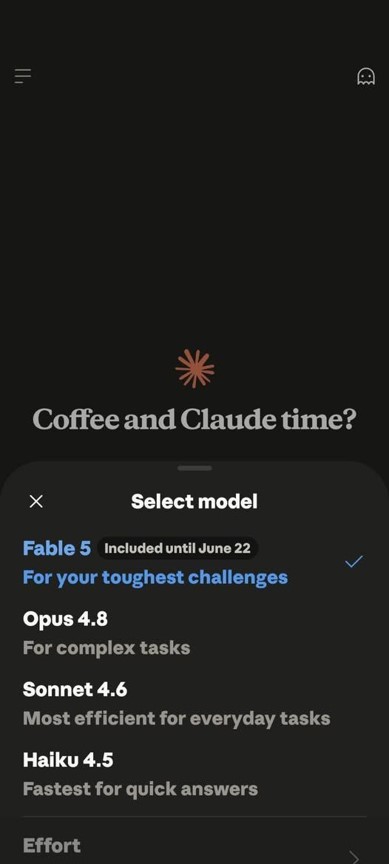
You will need API after that. $10-50/1 Million token. Alternatively, you will only be able to use it in Claude Code through the API after June 22. It will be unavailable on the web and accessible only through API integration by purchasing API credits. They may also introduce a new plan.
Last Word on Claude Fable 5 Use Cases
Claude Fable 5 use cases delivered impressive results across coding, design, research, and real-time work within hours of launch. The examples above show exactly where it performs well today and how professionals in different fields can put it to use. Pick one that matches what you do, test it yourself, and see what you can build.
